How to Design a Living Room You Will Actually Love
Where conversation is elevated and every detail speaks of intention.
Where conversation is elevated and every detail speaks of intention.
There is something almost magical about a well-designed living room. You walk in, and you just feel it. That sense of ease. Like the space was made for you.
But here is the thing — most living rooms are not designed at all. They are assembled. A sofa from one store, a rug from another, curtains that were on sale. And somehow it never quite comes together.
I have been thinking about this a lot lately. What actually makes a living room feel good? Not just look good — but feel good to be in, every single day.
It Starts With How You Use the Space
Before you buy a single thing, sit in your living room and ask yourself: what actually happens here? Do you watch films with the family? Read books alone on Sunday mornings? Have friends over for dinner that somehow ends up in the living room at midnight?
Your answers change everything. A family room needs different furniture than a reading nook. A social space needs different lighting than a quiet retreat. Most people skip this step. Then wonder why the room never feels right.
The Sofa is a Commitment
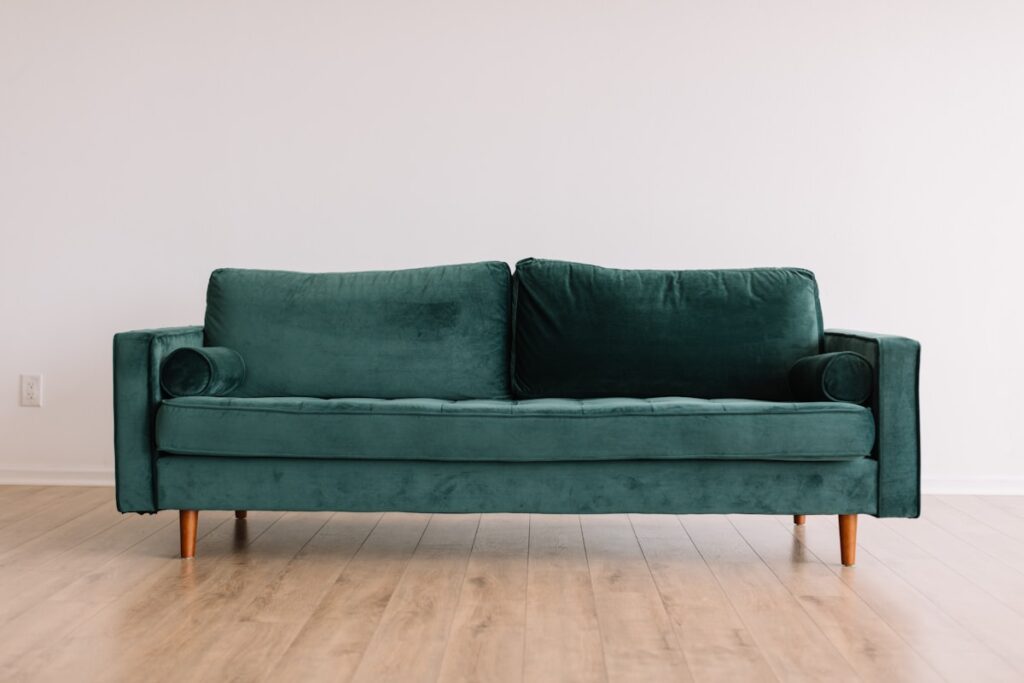
Think of your sofa the way you think of a good coat. You are going to live in it for years. So buy the best one you can afford — and then wait until you find one you actually love.
Size matters more than most people realise. Measure your space. Then measure again. A sofa that is too big makes a room feel like a showroom. Too small and the whole thing looks like student accommodation.
Natural fabrics age better. Linen, cotton, velvet — these materials develop character over time. That boucle sofa might look incredible in photos, but think about how it will look after two years of real life. Some fabrics age gracefully. Others just look worn.
Forget the Rules About Rugs
You have probably heard that all furniture legs should sit on the rug. Or that only the front legs should touch it. Honestly? Both can work. What does not work is a rug that is too small.
I see this constantly. A tiny rug floating in the middle of a large room, with everything else arranged around it like it is the sun. It makes the room look smaller, not bigger.
Go larger than you think you need. A generous rug grounds the whole seating area and gives the room a sense of intention. It ties everything together in a way that nothing else quite does.
Lighting is Where Most Rooms Go Wrong
If your living room relies on a single overhead light, that is your problem right there.
Overhead lighting is fine for kitchens and hallways. For living rooms, it is usually too harsh, too flat, and too exposing. It makes people look tired and spaces look institutional.
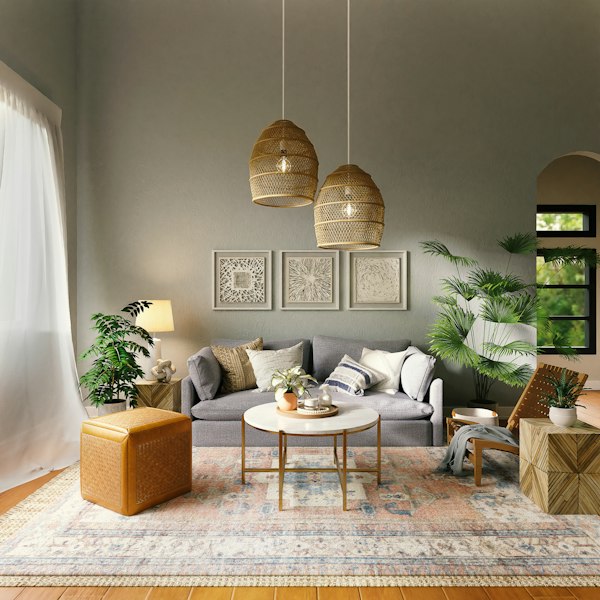
Layer your lighting instead. A floor lamp in one corner. A table lamp on the side table. Candles on the coffee table if you want to go further. The goal is multiple sources of warm light at different heights — not one bright source from above.
Dimmable bulbs are one of the best investments you can make in a living room. The ability to shift from bright afternoon light to soft evening glow changes everything about how the room feels.
Colour: Safer Than You Think, Bolder Than You Dare
Most people play it safe with living room colour. Whites, creams, greiges. And honestly, there is nothing wrong with that — those tones work because they are flexible and calm.
But if you have been thinking about a deeper colour — a dusty sage, a warm terracotta, a moody forest green — I would encourage you to be braver. Dark colours do not make rooms feel smaller. They make them feel more intimate, more considered, more like somewhere you actually want to spend time.
Test your colour properly before committing. Paint large samples — at least A3 size — and live with them for a few days. Watch how they shift in morning light, afternoon light, and lamplight. Colours behave very differently at different times of day.
The Edit: Less is Always More
One of the hardest things about styling a living room is knowing when to stop.
We accumulate things. Objects, art, books, cushions, plants. And slowly, without noticing, a room goes from curated to cluttered. The solution is not to buy more — it is to edit ruthlessly.
Remove everything from a surface and only put back what you truly love. If something does not make you happy when you look at it, it does not belong in your living room. Simple as that.
Three considered objects always beat fifteen average ones. Give your favourite things space to breathe.
The Details That Actually Matter
Once the big decisions are made — sofa, rug, lighting, colour — it is the small things that elevate a room from nice to genuinely beautiful.
Fresh flowers or a plant. A throw draped naturally over the arm of the sofa, not folded neatly. Books arranged by colour or stacked with interesting spines facing out. A single piece of art that you really love, hung at actual eye level rather than six inches from the ceiling.
These things cost very little. But they signal care. And a room that feels cared for feels like a home.
That is what we are all really after, is it not?
Products You Might Like