Kitchen Design: What Actually Matters and What Does Not
Where craft, function, and beauty converge.
Where craft, function, and beauty converge.
The kitchen used to be a room you hid. Tucked away at the back of the house, behind a closed door, where the mess and the noise and the cooking smells stayed firmly out of sight.
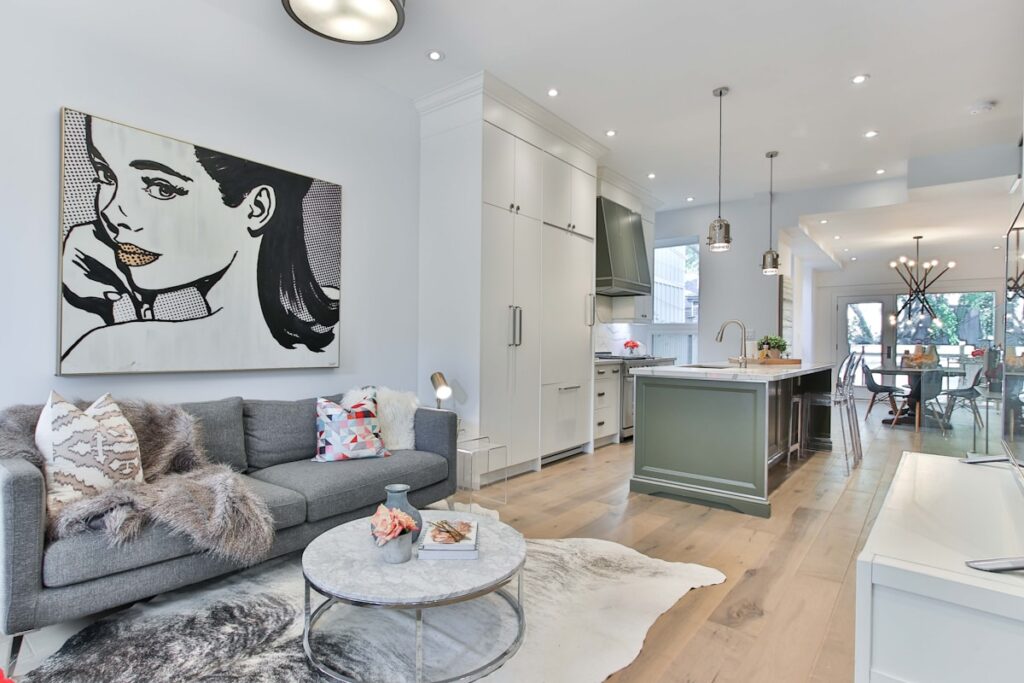
Not anymore. The kitchen is now the room everyone wants to be in. It is where guests gravitate at parties. Where the family actually talks, standing around the island while dinner is happening. Where mornings begin and evenings wind down.
Designing one well is both harder and more important than most people realise.
Function First. Always.
A beautiful kitchen that does not work is just an expensive disappointment.
Before anything else — before cabinetry choices, worktop materials, paint colours — think about how you actually cook. Do you bake? You need more counter space. Do you cook for large groups? You need proper ventilation and a range with enough power. Do you tend to have multiple people in the kitchen at once? The layout needs to accommodate that without everyone bumping into each other.
The classic work triangle — fridge, sink, hob in a triangle formation — exists for good reason. It minimises the steps between your three most-used stations. Most kitchen frustrations come from layouts that ignore this basic logic.
Cabinetry: The Decision That Defines Everything
Kitchen cabinets are to a kitchen what a sofa is to a living room. They set the tone. And unlike a sofa, they are extremely difficult and expensive to change.
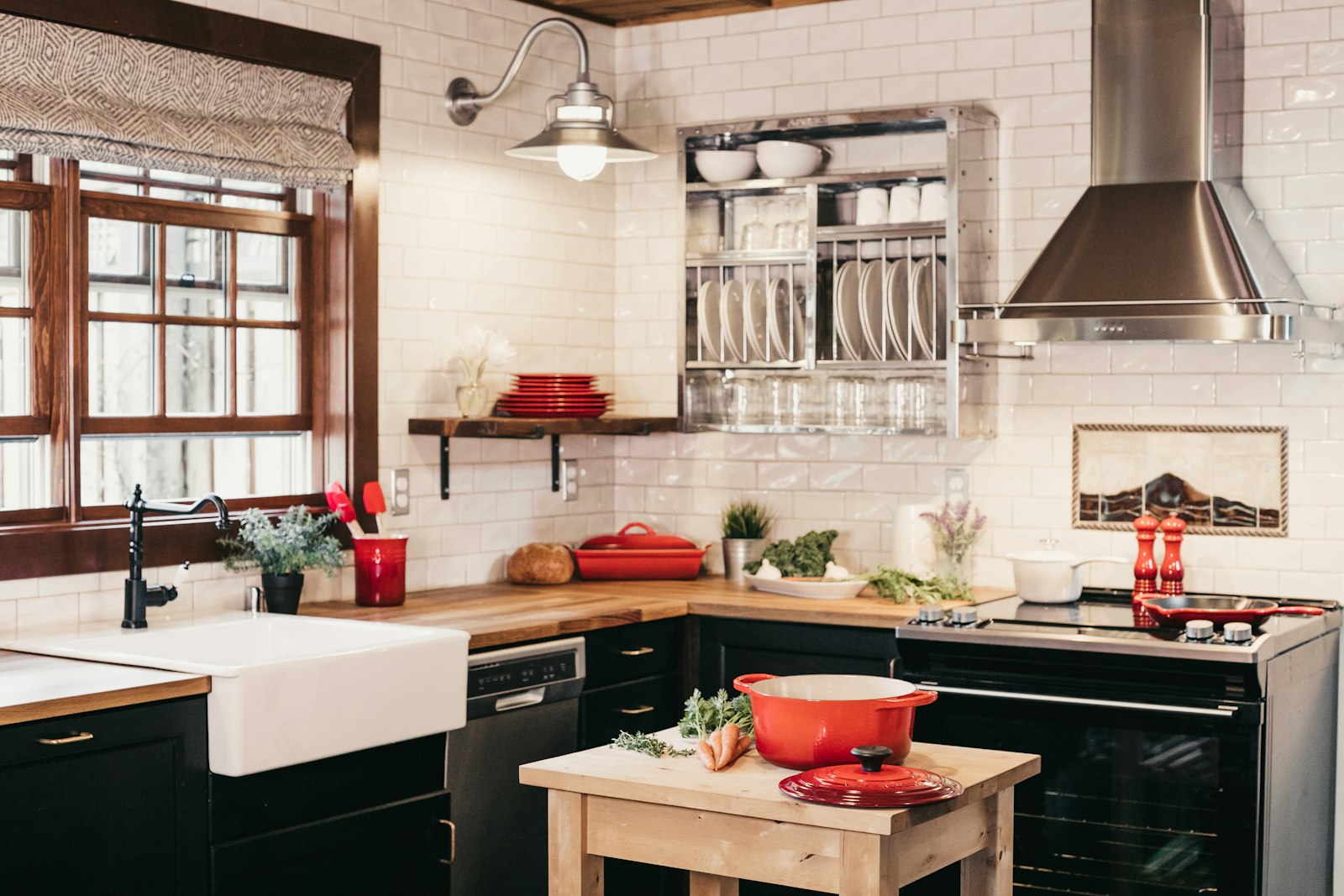
Think carefully about colour and finish. Flat-front cabinetry in a warm matte tone reads as contemporary and calm. Shaker doors give texture and a sense of craftsmanship. High-gloss finishes can look stunning but show every fingerprint and tend to date.
The hardware — handles, hinges, taps — is where personality comes in without the commitment. Brushed brass is warm and slightly retro in a way that works across many styles. Unlacquered brass will age and patina beautifully over time. Matte black is graphic and modern. Brushed nickel is quietly elegant and goes with almost everything.
Worktops: Material, Weight, and Warmth
Marble is beautiful. It is also porous, prone to staining, and will etch if you leave a lemon on it for ten minutes. People love it anyway — and honestly, I understand why. A kitchen with real marble worktops has a quality that photographs cannot fully capture.
If you want the look without the maintenance, there are excellent engineered stone options that perform far better in daily use. Quartz is the most popular: non-porous, consistent in colour, and very hard-wearing.
Wood and butcher block worktops bring warmth that stone cannot match. They do require oiling and some care, but they develop character beautifully over time. A well-used wooden worktop tells the story of a kitchen that is actually lived in.
Lighting: More Important Than You Think
Kitchen lighting is a layered problem. You need task lighting — bright, directed light exactly where you are working. You need ambient lighting for the general room. And if you have an island or a dining area within the kitchen, you probably want pendant lighting there too.
Under-cabinet lighting is one of the most practical kitchen upgrades that most people overlook. It eliminates shadows on your worktop and makes cooking significantly easier. It also looks beautiful in the evening when the overhead lights are dimmed.
Put your kitchen lights on dimmers where possible. The kitchen at dinner-party time should feel very different from the kitchen at 7am on a Tuesday.
Open Shelving: A Considered Position
Open shelves look incredible in styled photographs. In real life, they require discipline. Everything on them is always visible, which means everything needs to be worth looking at.
If you want open shelving, be selective. A few shelves above a coffee station, or beside a window, can work beautifully. Whole walls of open shelving require the kind of organisational commitment that most kitchens — and most households — cannot sustain.
The compromise that works well: a mix of closed cabinetry for everyday storage, with one or two sections of open shelving for the things you actually want to display — ceramics, good glasses, cookbooks, a few plants.
The Details That Elevate a Kitchen
A kitchen that feels genuinely special has small details that most people walk past without noticing. The way the drawer handles line up perfectly. The quality of the tap. Tiles that have some variation and character rather than machine-perfect uniformity. A butcher block chopping board that has been used for years and shows it.
Do not underestimate the value of a few beautiful kitchen objects. A good olive oil bottle on the counter. Ceramic bowls that actually look nice. Herbs growing on the windowsill. These things cost very little but they make the kitchen feel inhabited and warm and real.
A kitchen is the engine of a home. When it works well and feels good to be in, it changes the entire character of daily life. That is worth getting right.
Products You Might Like