How to Build a Home Library That You Will Actually Use
A home library is not just a room full of books. It is one of the most personal and functional spaces you can create — if you design it with intention.
A home library is not just a room full of books. It is one of the most personal and functional spaces you can create — if you design it with intention.
There is a particular quality of life that comes with having a room — or even just a corner of a room — that is genuinely yours. A place where you read, think, and exist without purpose. Where the books are not decorative but well-read, where the chair is chosen for comfort rather than appearance, and where the light falls exactly right.
A home library, done well, is one of the most genuinely enriching spaces you can create. But it requires a different kind of thinking than most rooms. Here is how to approach it.
Start With the Books You Actually Have
The most common mistake in home library design is planning for an ideal library rather than the actual collection you own. Do not design shelving for a thousand books if you have three hundred. Do not create a grand reading room if what you want is a quiet corner.
Take stock of what you have, honestly. How many books, roughly? What sizes? Do you have large art books that need deep shelving, or mostly paperbacks that can sit on shallower shelves? Are the books you actually read spread around the house, and this room is for the permanent collection? Answering these questions first makes every subsequent decision easier.
Shelving: Built-In Versus Freestanding
Built-in shelving is the gold standard of home library design. It uses every centimetre of wall height, it looks considered and permanent, and it transforms a room in a way that freestanding units simply cannot match. If the budget allows and the room is one you intend to stay in, built-ins are almost always worth the investment.
Freestanding shelving has its own appeal, particularly in rented spaces or rooms where permanence is not the goal. Tall, solid bookcases in oak or walnut, anchored to the wall for safety, can create a similar feeling of immersion without the commitment. The key is to choose cases that are genuinely full height — units that stop at mid-room height look unfinished and waste the visual potential of the wall.
The Reading Chair: Non-Negotiable
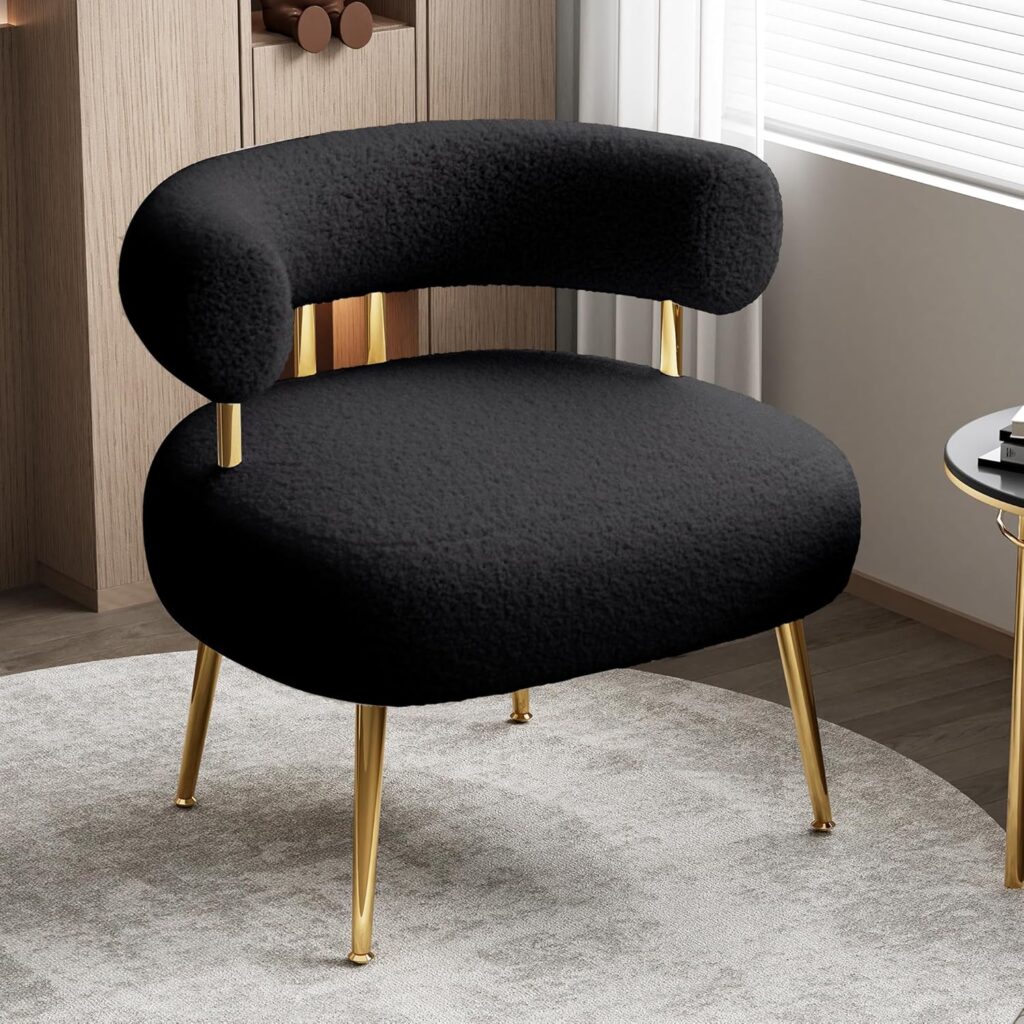
A library without a genuinely comfortable reading chair is a library you will not spend time in. This sounds obvious but is remarkably often overlooked. People invest in the shelving and the books and then put in a chair that looks good but is uncomfortable to sit in for more than twenty minutes.
A reading chair needs adequate seat depth for your height, arm height that supports your elbows when reading, and sufficient back support for a long sitting session. Wing chairs and high-backed armchairs tend to work well. A good ottoman to rest your feet on makes a significant difference. And the chair should be positioned in relation to a light source — a dedicated reading lamp beside the chair, ideally at a height that puts the light over your shoulder rather than in your eyes.
Light: Natural and Artificial
Natural light is a pleasure for reading but a problem for books. Direct sunlight fades spines and damages paper over time. If your library has windows, consider how the light falls through the day and position the shelving accordingly. Books on shelves directly opposite windows are most at risk. Shelving on walls adjacent to or away from windows is safer.
Artificial lighting in a library should layer. General ambient light for moving around the room. Task lighting at the reading chair. And if you want the books themselves to be part of the room’s atmosphere — which they are, and should be — consider interior shelf lighting. A warm LED strip at the front of each shelf, casting light down the spines, makes even an ordinary collection look extraordinary in the evening.
Organising the Books
There is no universally correct way to organise a home library. By subject, by author alphabetically, by size, by colour, by frequency of use — all of these work, and the right system is the one that makes it easy for you to find what you want.
One approach worth considering: organise the books you want visitors to engage with on the most accessible, eye-level shelves, and keep reference books, technical material, or less visually appealing volumes higher or lower. The books at eye level set the tone for the room. Choose them with some care.
The Details That Make a Library Feel Real
A home library is made by its details. A reading lamp with a warm-toned bulb. A small side table beside the chair for a glass of water and whatever you are currently reading. A clock, if you like knowing what time it is without reaching for your phone. A plant or two, if you want some life in the room.
And the books themselves, honestly curated. A library that contains only books you have read or genuinely intend to read has a different quality than one that has become a storage system for every book you have ever been given. Edit occasionally. The library, like the person it belongs to, should evolve.