The Murano Cascade Chandelier
Hand-blown glass that transforms light into poetry. The Murano Cascade Chandelier is a masterpiece of Venetian craft, created by artisans who have passed down their techniques for generations. Each piece is unique, shaped entirely by breath and fire. Origin: Murano, Italy — Hand-blown borosilicate glass Reviewed: Spring 2025 The chandelier represents the pinnacle of what […]
Hand-blown glass that transforms light into poetry. The Murano Cascade Chandelier is a masterpiece of Venetian craft, created by artisans who have passed down their techniques for generations. Each piece is unique, shaped entirely by breath and fire. Origin: Murano, Italy — Hand-blown borosilicate glass Reviewed: Spring 2025 The chandelier represents the pinnacle of what […]
Hand-blown glass that transforms light into poetry. The Murano Cascade Chandelier is a masterpiece of Venetian craft, created by artisans who have passed down their techniques for generations. Each piece is unique, shaped entirely by breath and fire.
Origin: Murano, Italy — Hand-blown borosilicate glass
Reviewed: Spring 2025
The chandelier represents the pinnacle of what glass can become when handled by a master. The cascading drops catch light at angles that shift throughout the day, making every moment in the room feel different.
The Island of Murano and Its Glass Legacy
The story of Murano glass begins in 1291, when the Venetian Republic ordered all the city’s glassmakers to move their furnaces to the island of Murano — officially to reduce the risk of fire in Venice, but in practice to concentrate and control a craft that had become one of the most economically valuable industries in the Mediterranean world.
On Murano, glassmakers were granted extraordinary privileges — the right to wear swords, the ability for their daughters to marry into Venetian nobility — in exchange for maintaining the secrecy of their techniques. The island became, and remains, the undisputed world centre of the finest decorative glass. Today, the fourth and fifth generation descendants of those original Murano families still work the furnaces, using techniques that have changed remarkably little over seven centuries.
The Making of a Murano Chandelier
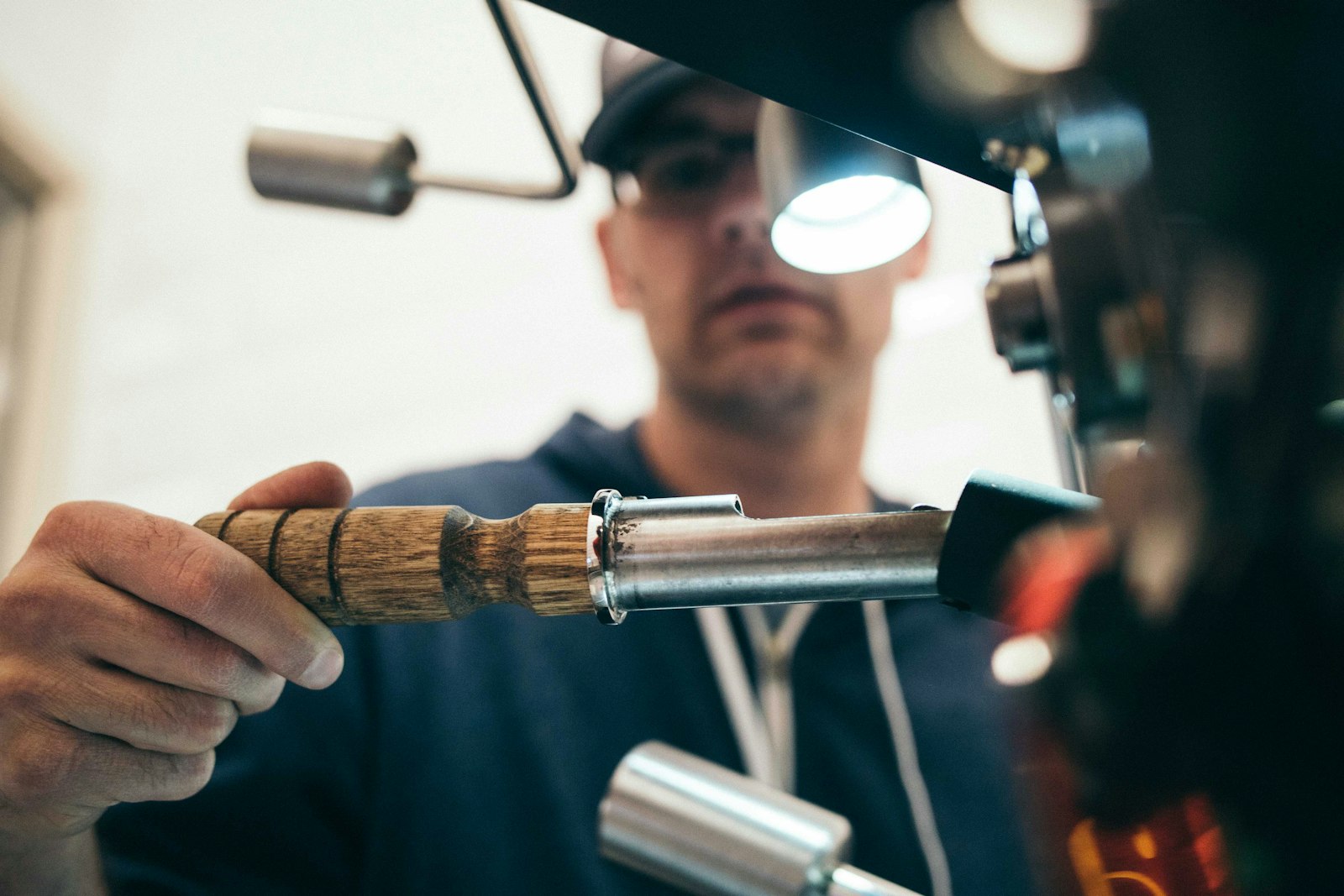
A chandelier of this complexity requires the work of multiple maestri — master glassblowers — working in close coordination. The process begins at the furnace, where molten glass at temperatures approaching 1400 degrees Celsius is gathered on the end of a long iron rod. The maestro shapes the gather with breath, tools, and decades of accumulated instinct, blowing and turning the glass until the required form emerges.
Each drop, each arm, each decorative element is made individually and then assembled into the whole. The assembly process is as demanding as the blowing itself — the pieces must be joined while still warm enough to bond, and the final structure must be balanced perfectly if it is to hang correctly. A complex chandelier may take several days to complete and involve the skills of a half-dozen craftspeople.
Light as Living Material
What distinguishes a Murano chandelier from any other light fitting is its relationship with light. Hand-blown glass has an internal variation — slight differences in thickness, small trapped bubbles, the organic irregularity of a form shaped by breath rather than mould — that causes it to refract and scatter light in ways that industrial glass simply cannot replicate.
As the angle of natural light changes through the day, the chandelier changes with it. At dawn, the drops may appear amber and warm. At noon, they catch white light and send small rainbows across the ceiling. In the evening, with a warm bulb glowing from within, the whole piece seems to pulse with a golden, living light that fills the room with movement and warmth.
Installing and Living With Your Murano Chandelier
A piece of this scale and weight requires a properly rated ceiling fixture and, ideally, professional installation. The chandelier should be positioned in a space where it can be appreciated from multiple angles — a central position above a dining table or in a double-height hallway allows the full cascade of glass to be seen as intended.
Cleaning requires care but is straightforward: each drop can be gently wiped with a soft, damp cloth, or removed individually for a more thorough clean. The borosilicate glass is highly resistant to thermal shock and chipping compared to standard decorative glass.
A Murano chandelier is not a light fitting. It is a piece of sculpture that happens to illuminate a room. Chosen well and installed properly, it is the single element that can transform an ordinary room into a space that genuinely takes your breath away every time you turn the lights on.
Products You Might Like