Japanese Minimalism Style Guide
Wabi-sabi, ma, and the profound beauty of empty space.
Wabi-sabi, ma, and the profound beauty of empty space.
Japanese minimalism is built on three principles: wabi-sabi (the beauty of imperfection), ma (the power of negative space), and mono no aware (the gentle sadness of transience). Every object in a Japanese-inspired interior must earn its place. This is not a style that accommodates accumulation or distraction — it is a philosophy of living that treats the home as a space for clarity, stillness, and genuine rest.
The Philosophy Behind Japanese Minimalism
To understand Japanese minimalism as an interior aesthetic, it helps to understand its philosophical roots. Wabi-sabi is the acceptance and appreciation of imperfection and impermanence. A cracked glaze on a ceramic bowl, the uneven texture of a hand-plastered wall, the way wood darkens and grain deepens with age — these are not flaws to be hidden but qualities to be valued. They tell the truth about the objects they belong to.
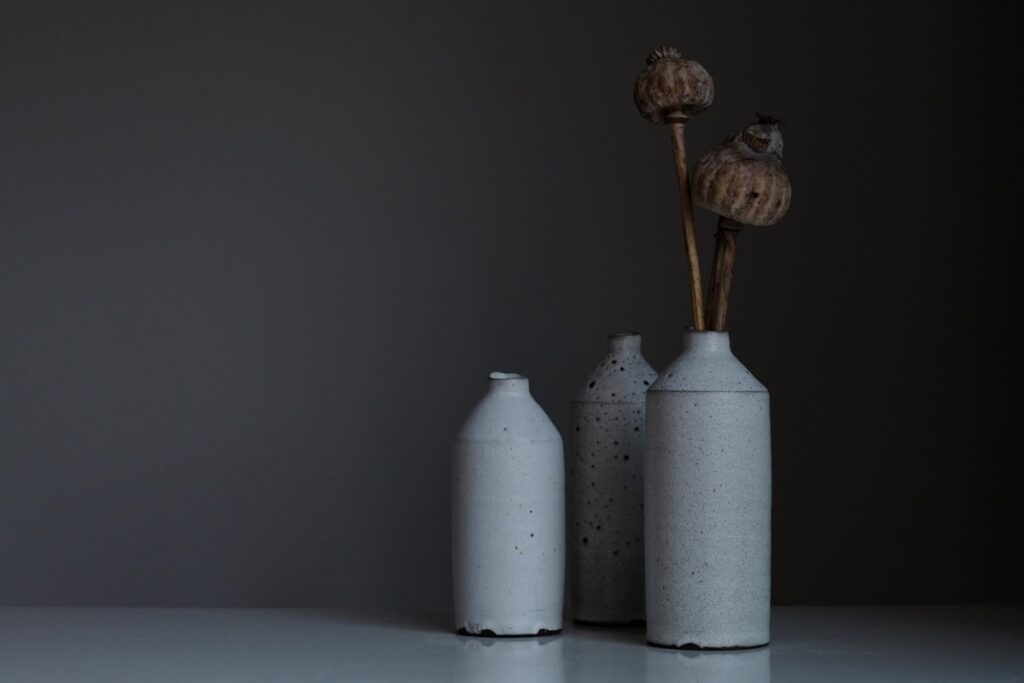
Ma, the concept of negative space, is equally central. In Japanese design thinking, the empty spaces between objects are as important as the objects themselves. A single branch in a ceramic vase, positioned against a bare wall, has more visual power than a shelf filled with things. The space around it is not emptiness — it is intention.
Mono no aware — the gentle melancholy of passing time — gives Japanese interiors their particular emotional quality. Objects are chosen not for their newness but for their ability to age and change alongside the people who live with them. A wooden floor that records the movement of daily life. A linen cushion worn soft by years of use. These things are more valued for their history than for their perfection.
Key Principles of Japanese Minimalism
Remove before you add. This is the governing principle of the entire aesthetic. Before introducing anything new into a space, assess what is already there and ask whether each element truly belongs. Japanese minimalism begins not with shopping but with editing — with the patient work of reduction until only the essential remains.
Natural materials only. Wood, stone, linen, paper, and clay are the materials of the Japanese interior. They are chosen because they age well, because they connect the interior to the natural world, and because they have an intrinsic beauty that manufactured materials rarely match. These materials are not decorated or disguised — they are allowed to be what they are.
One focal point per room. Japanese interior design resists the tendency to fill every corner and surface. Each room has a single point of visual focus — a tokonoma alcove containing a scroll or a flower arrangement, a single piece of considered furniture, a window that frames a view. Everything else in the room serves that focal point by staying quiet.
Low furniture that grounds the space. The traditional Japanese approach to furniture is horizontal. Floor cushions, low tables, and sleeping mats maintain a close relationship with the floor that creates a sense of groundedness and calm. In a contemporary context, this translates to low-profile furniture that keeps the eye moving along the room rather than up through it.
Light that shifts through the day. Japanese interiors work with natural light rather than supplementing it aggressively. Shoji screens filter sunlight into a diffused, even glow that changes throughout the day and through the seasons. In a Western context, sheer linen curtains or translucent glass achieve a similar quality of gentle, moving light that gives the room a meditative quality.
Applying Japanese Minimalism in a Western Home
A full commitment to the traditional Japanese interior is neither practical nor necessary for most Western homeowners. What translates beautifully are the underlying principles: the discipline of editing, the preference for natural materials, the respect for empty space, and the patience to choose objects that will be valued for decades rather than discarded in seasons.
Begin with the space you have. Remove everything that is not essential. Notice what remains, and how the room breathes differently. Then, slowly and with care, reintroduce only what genuinely belongs. A single handmade ceramic. A plant in a simple pot. A woven textile in a natural tone. The room will tell you when it is complete.
Products You Might Like