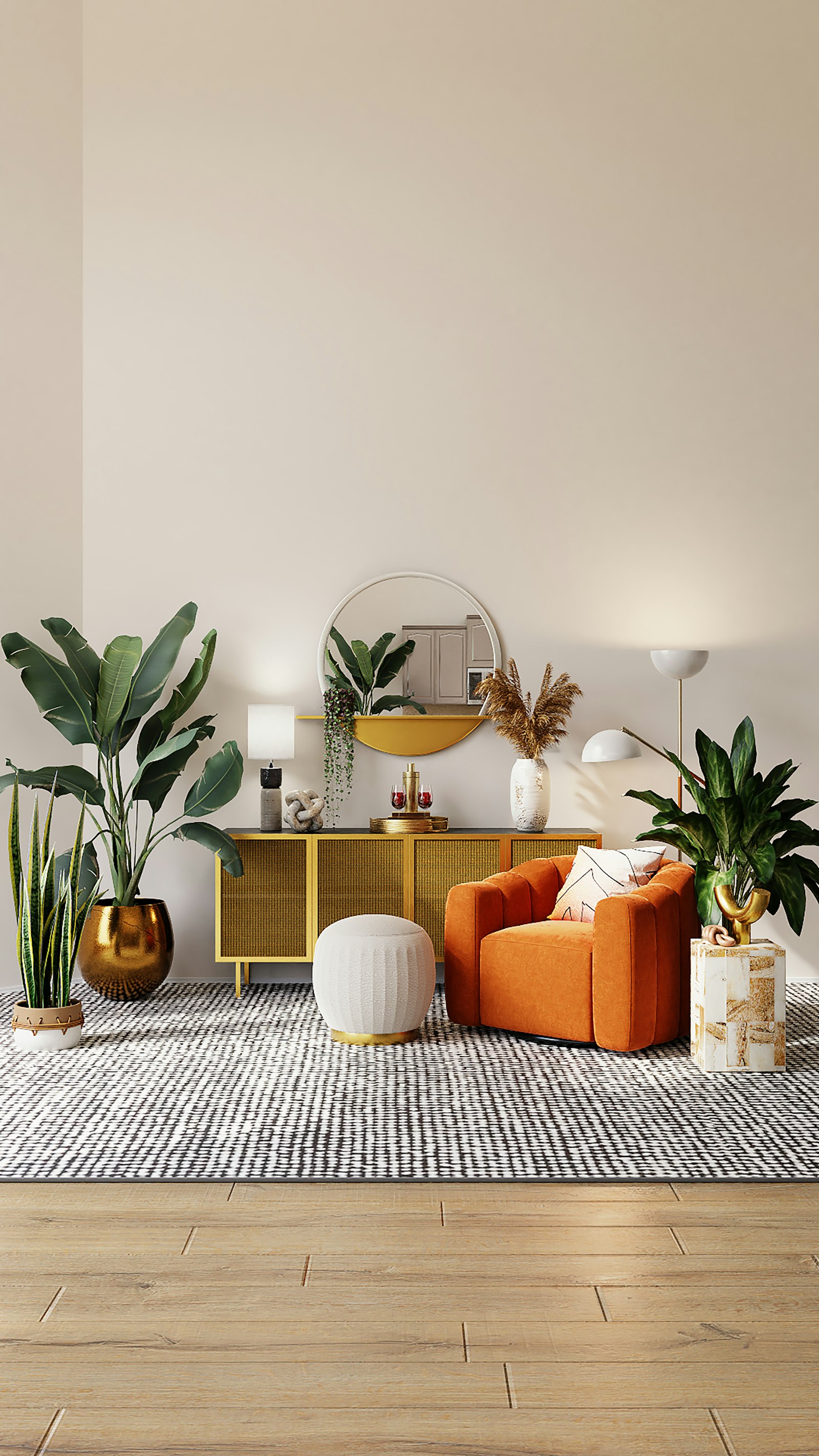
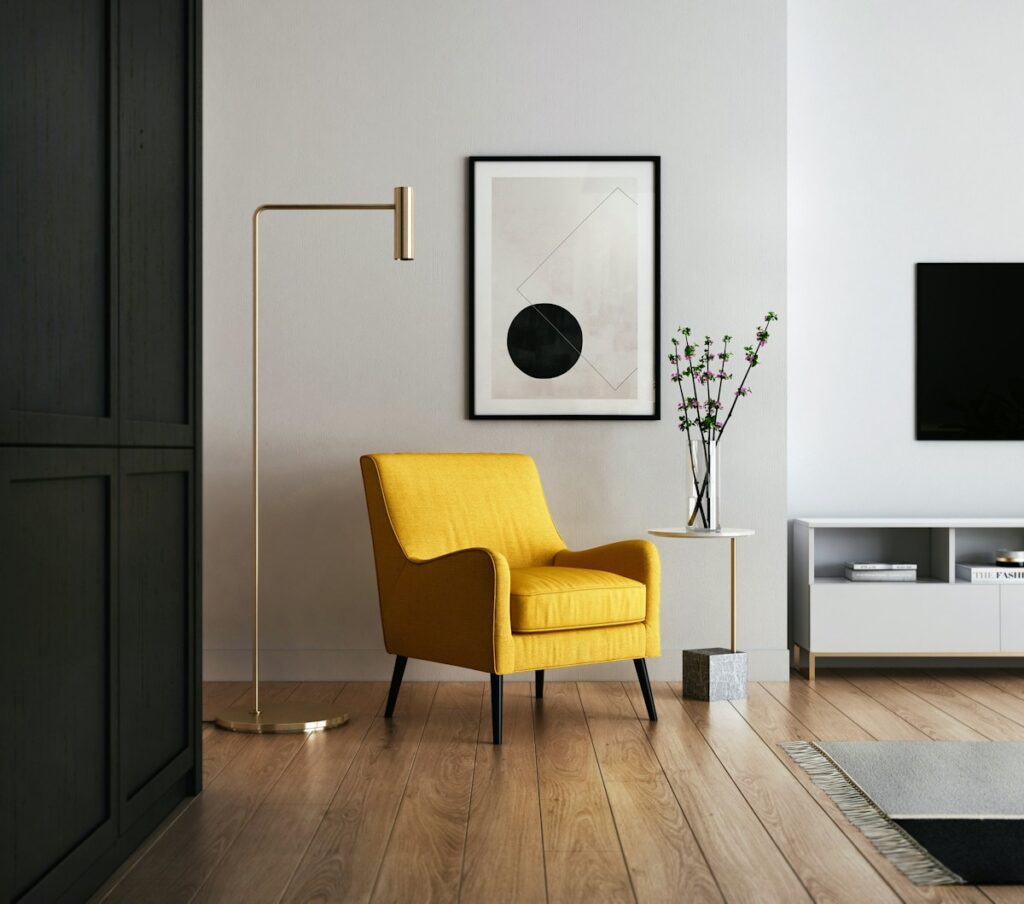
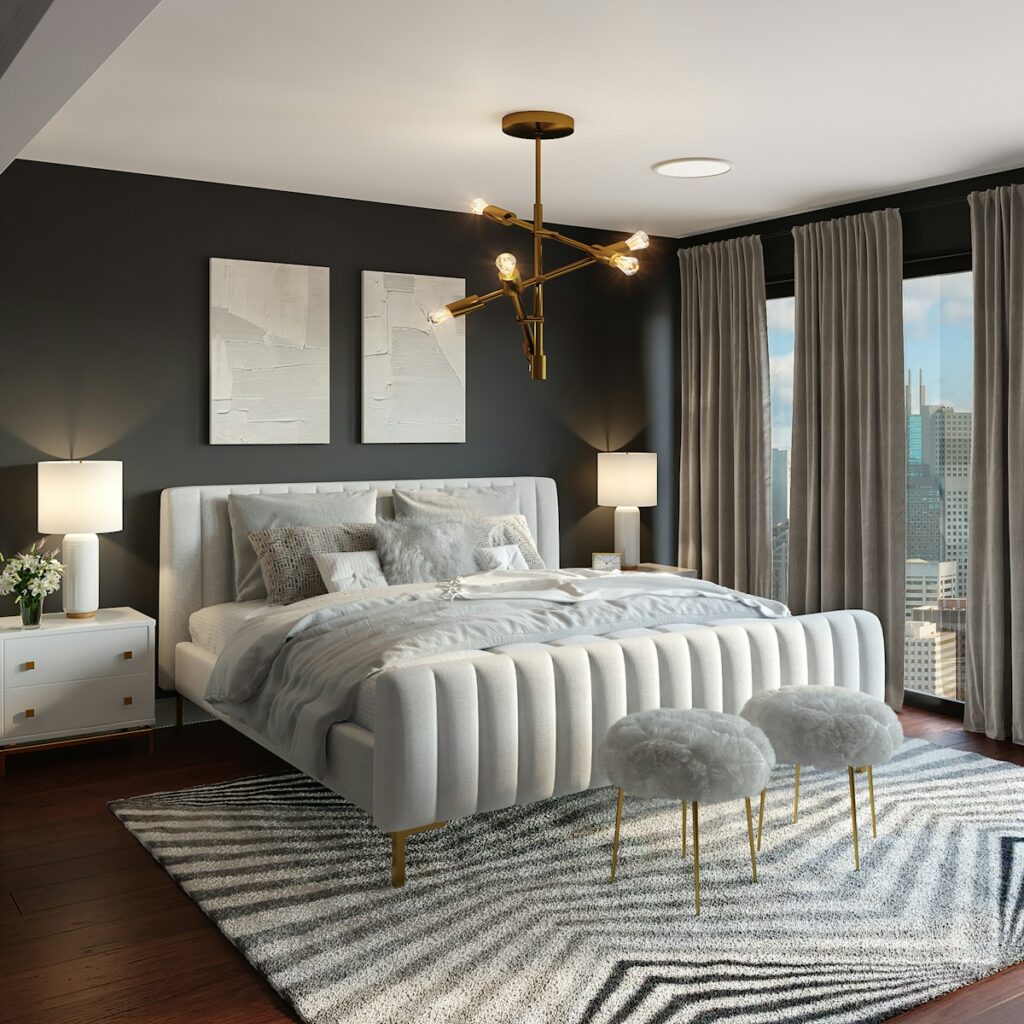
The most interesting rooms are rarely entirely of one period. A room furnished exclusively in contemporary pieces feels like a showroom. A room furnished exclusively in antiques feels like a museum. The rooms that feel genuinely alive — that suggest a life lived in them, a personality behind them — are almost always a mix.
But mixing antiques and modern pieces is something that many people find intimidating. The fear is that the pieces will clash, that the result will feel confused rather than curated. Here is how to approach it with confidence.
The Principle of Contrast
Contrast is the engine of good mixing. A smooth contemporary sofa looks its best beside a worn, characterful antique side table. A sleek modern dining table is elevated by chairs with history — ladder-back chairs, rush-seat chairs, bentwood chairs from a different era. The contrast between new and old makes each piece more interesting than it would be surrounded by its contemporaries.
The key is that the contrast should be deliberate. A beautiful antique piece placed next to a cheap contemporary one does not create productive contrast — it creates a competition that neither piece wins. Both pieces need to have genuine quality or character for the pairing to work.
Scale as the Common Language
Pieces from different periods and styles can share the same room successfully when they share the same sense of scale. A large antique armoire looks proportionate beside a large contemporary sofa because both occupy the room at a similar scale. A delicate antique side table belongs beside a slender contemporary lamp, not a heavy modern sectional.
Scale is perhaps the most important factor in successful mixing. When it is right, pieces from completely different eras seem to belong together. When it is wrong, even beautiful individual pieces feel out of place.
Finish and Material
A practical way to connect pieces from different periods is through shared materials or finish tones. If your contemporary pieces include warm oak, look for antiques with a similar warmth — honey-toned fruitwood, gilded frames with warm gold tones, amber glass. The shared warmth in the materials creates a sense of coherence even when the styles are very different.
Similarly, a room where the metals are consistent — all brass, or all aged steel, or all unlacquered copper — feels more unified than one where chrome, brass, and black metal compete.
One Dominant Period
Even in a mixed room, one period or style should dominate. The room should read, at first glance, as primarily contemporary with antique accents, or primarily traditional with modern pieces, or primarily mid-century with later additions. A room that is genuinely fifty-fifty between two eras tends to feel unresolved.
Decide on your dominant register. Then layer the other period in with a lighter hand.