Art Deco Revival Style Guide
Glamour, geometry, and the golden age of design.
Glamour, geometry, and the golden age of design.
Art Deco revival brings the glamour of the 1920s and 30s into contemporary interiors with bold geometry, rich materials, and an unapologetic love of luxury. It is a style that celebrates craftsmanship and symmetry above all else — and in the right hands, it transforms an ordinary room into something that feels genuinely extraordinary.
What Is Art Deco Revival?
The original Art Deco movement flourished between the two World Wars, reaching its peak in the 1920s and 1930s. It was a style born of optimism — a belief that beauty and modernity could coexist. Skyscrapers, ocean liners, jewellery, and interiors all bore its unmistakable mark: clean geometric lines, bold contrasts, and materials chosen for their richness as much as their function.
The revival of this aesthetic in contemporary interiors is not about nostalgia. It is about bringing that same confidence and sophistication into modern living spaces, updated for today with a lighter touch and a more considered approach to material and colour.
Key Principles of Art Deco Revival
Bold geometric patterns are the foundation of the style. Chevrons, sunburst motifs, stepped forms, and strong angular lines appear on everything from wallpaper and rugs to decorative objects and architectural detailing. These patterns work best when they are allowed to anchor a room rather than compete with each other — one strong geometric statement per space is usually enough.
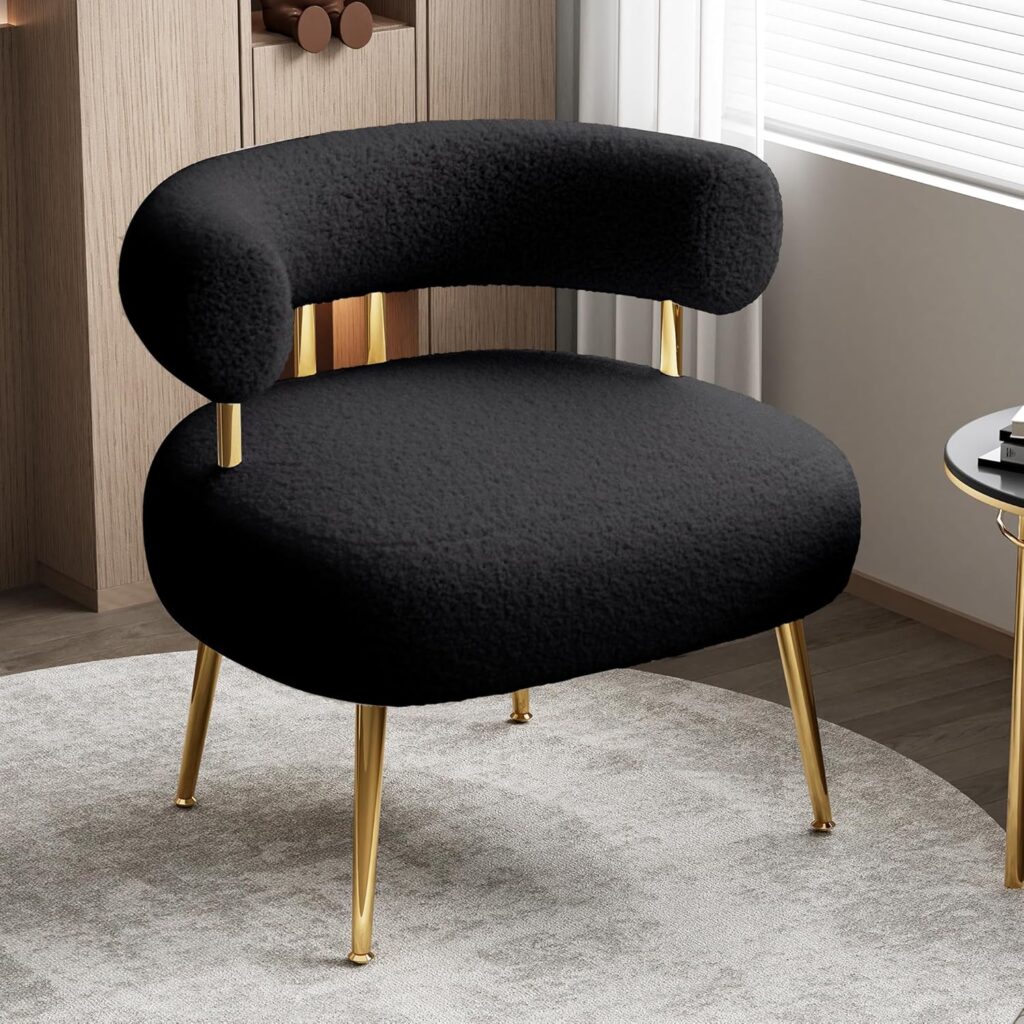
Rich materials are essential. Velvet, brass, marble, lacquered surfaces, and ebonised wood are the building blocks of an Art Deco interior. These are not materials chosen for their affordability — they are chosen for their ability to catch the light, to age beautifully, and to create a tactile experience of luxury in daily life.
Deep jewel tones give the style its emotional depth. Emerald green, sapphire blue, and burgundy are the colours most closely associated with the period, and they remain as effective today as they were a century ago. These are not timid colours. Used correctly, they create rooms that feel genuinely opulent.
Symmetry and balance are the structural principles beneath everything else. Art Deco interiors are arranged with precision. Pairs of lamps, matched nightstands, mirrored compositions on walls — the eye moves through these spaces along deliberate axes, creating a sense of order that feels both calm and confident.
Statement lighting is perhaps the clearest expression of the Art Deco spirit in a contemporary interior. A chandelier with geometric brass arms, a floor lamp with a fluted column and a drum shade, or a cluster of globe pendants in amber glass — these are not merely functional objects. They are sculpture that happens to illuminate a room.
How to Bring Art Deco Revival Into Your Home
You do not need to redesign an entire room to introduce Art Deco character. A single piece — a mirrored console with stepped legs, a velvet armchair in deep teal, a geometric patterned rug in gold and black — can shift the entire feeling of a space. Start with one strong statement and let the room build around it.
For those committing more fully to the aesthetic, the walls and floors are where the transformation begins. Herringbone parquet floors, dark lacquered walls, or a geometric wallpaper in a jewel-toned palette set the stage for everything that follows. Furniture with brass inlay, mirrored surfaces, and angular upholstered forms completes the picture.
Art Deco revival rewards those who are not afraid of commitment. It is not a style for the timid. But for those willing to embrace its boldness, the result is a home that feels both timeless and completely alive.