The New Craftspeople: Why Handmade Objects Are Worth the Wait
A generation of designers returning to the hand-made.
A generation of designers returning to the hand-made.
There is a waiting list of two years for a handmade ceramic bowl from a small studio in rural Portugal. The potter who makes them works alone. She does not have a website. Orders come through word of mouth, or through the handful of shops around the world that stock her work.
She is not an exception. She is part of a movement.
Across Europe and beyond, a generation of independent makers is building something remarkable — small studios producing objects of genuine quality, sold directly, known by the few rather than the many. And the people buying them are paying prices that, five years ago, might have seemed impossible for a ceramic mug or a hand-woven throw.
Why Slow Making Matters Now
We live surrounded by objects made at speed, for price points, in quantities that make individual craft impossible. Most of what fills our homes was designed in a committee, manufactured in a factory, and shipped in a container. There is nothing wrong with this exactly. But something is lost.
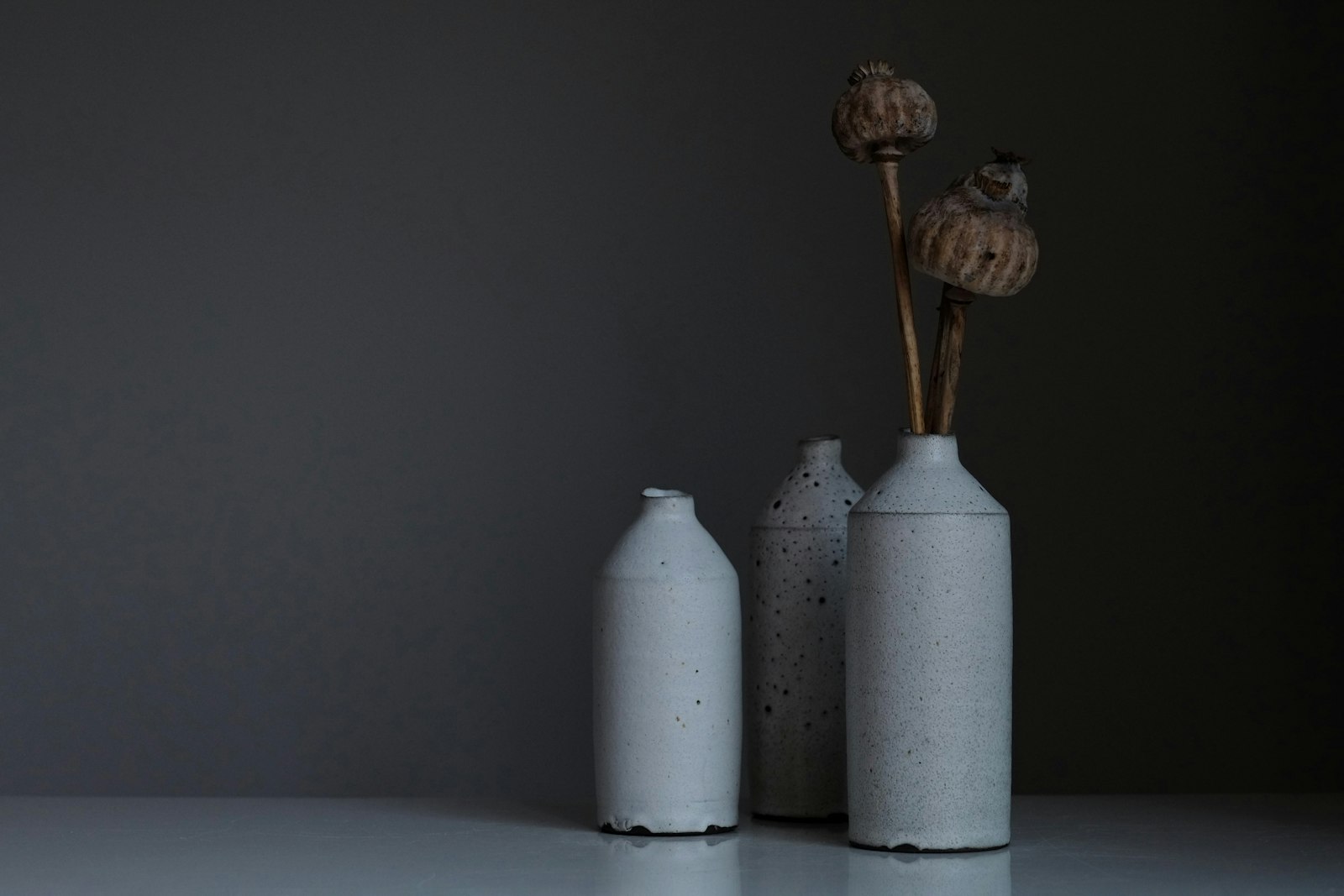
The made-by-hand object carries information that the manufactured one does not. It carries time. The slight variation in glaze that means no two pieces are identical. The weave that shows the pattern of a human hand. The mark left by a tool on wet clay. These are not imperfections. They are the evidence of making.
When you live with these objects, they behave differently from mass-produced things. They do not simply occupy space. They hold attention. They reward looking at them closely. They age in ways that feel earned rather than merely worn.
The New Craftspeople
The people driving this quiet revival come from varied backgrounds. Some trained formally at art schools and then chose the discipline of making over the more celebrated paths of fine art or design. Others came from entirely different careers — finance, technology, law — and found in craft something they had not known they were looking for.
What unites them is a willingness to work slowly. To spend years developing a technique. To make things that take days rather than minutes. To operate at a scale where knowing your customers is not just possible but inevitable.
Many have found that this slowness is, paradoxically, what makes them commercially sustainable. Their waiting lists are long. Their prices are high. Their output is small. And the people who find them — often through a photograph shared between friends, or a piece spotted in someone else is home — tend to stay loyal for decades.
What to Look For
If you want to find and support independent makers, the challenge is knowing where to look. They tend not to advertise. Many do not have a strong online presence. They often sell through a small number of carefully chosen stockists, or directly through a simple website or social media account.
Start with what you are drawn to. Ceramics, textiles, furniture, metalwork, glass — every craft has its own community of makers, and once you find one, others tend to follow through recommendation.
Craft fairs remain one of the best ways to encounter makers directly. The quality varies widely, but the experience of handling something before you buy it, and of talking to the person who made it, changes the transaction entirely. You are not buying a product. You are beginning a relationship with an object that has a story behind it.
Investing in the Made Thing
Objects from independent makers cost more than their mass-produced equivalents. Sometimes significantly more. This can be hard to justify, especially when a similar-looking alternative is available for a fraction of the price.
But the comparison is slightly false. A handmade ceramic bowl is not the same object as a factory-produced one that resembles it superficially. It will not look the same after ten years. It will not feel the same to hold. It carries a different weight, in every sense.
The better comparison is: what would I rather have in my home for the next twenty years? An object made with care, by someone who spent years learning how to make it, or an object that was designed to a price point and will look dated in five?
The Quiet Luxury of the Handmade Home
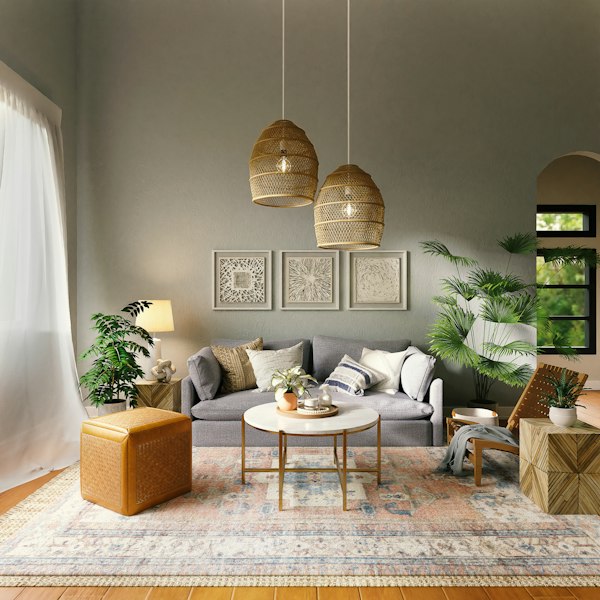
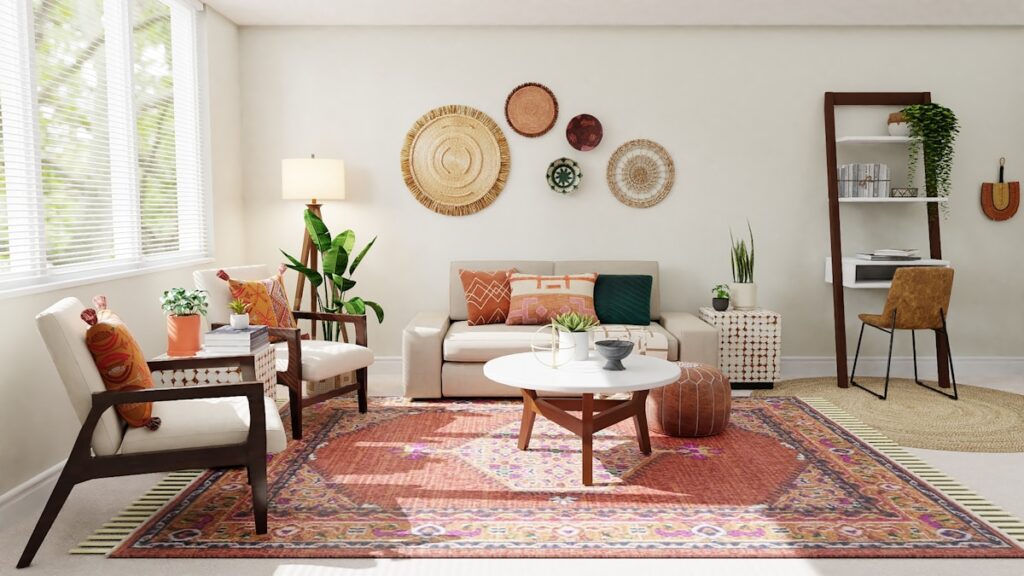
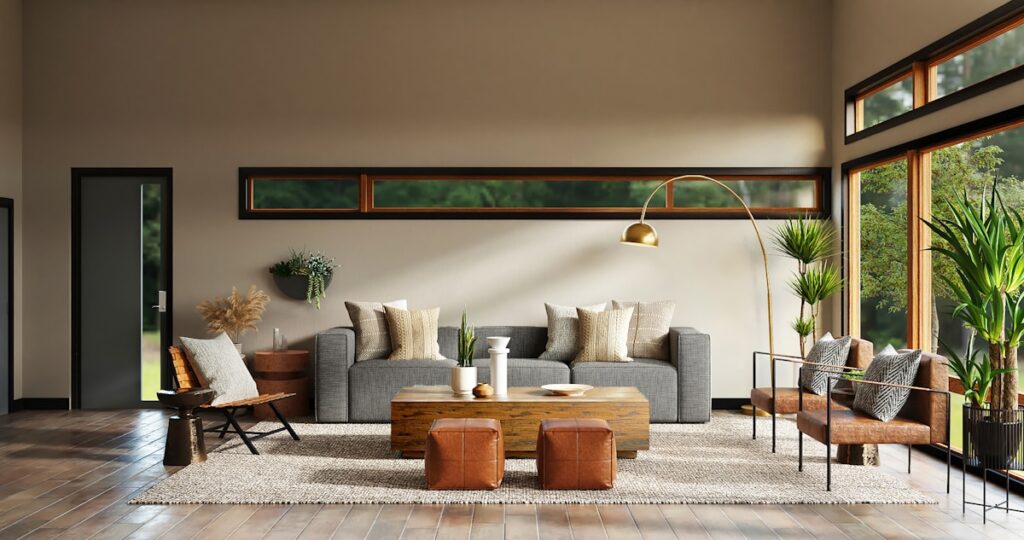
There is a particular quality to a home that contains made things. It is not ostentatious. It does not announce itself. You might be in the space for some time before you notice what is different about it — and then you realise it is that almost everything in it was chosen rather than bought, made rather than manufactured, personal rather than generic.
This is not a home decorated from a catalogue. It is a home assembled over time, with attention, in the company of makers whose work you admire.
It takes longer to arrive at. It costs more, object by object. But it is also more genuinely your own than anything a decorator or a trend could produce. And in an age of algorithm-driven sameness, that feels more valuable than ever.
Products You Might Like