Most rooms have one light source. The overhead fixture comes on when you enter the room and off when you leave. This is adequate for function and hostile to atmosphere. Professional interior designers approach lighting completely differently — as a system of layers that can be adjusted independently to suit different times of day and different activities.
Understanding this three-layer system transforms how you think about lighting, and transforms what rooms are capable of feeling like.
Layer One: Ambient Light
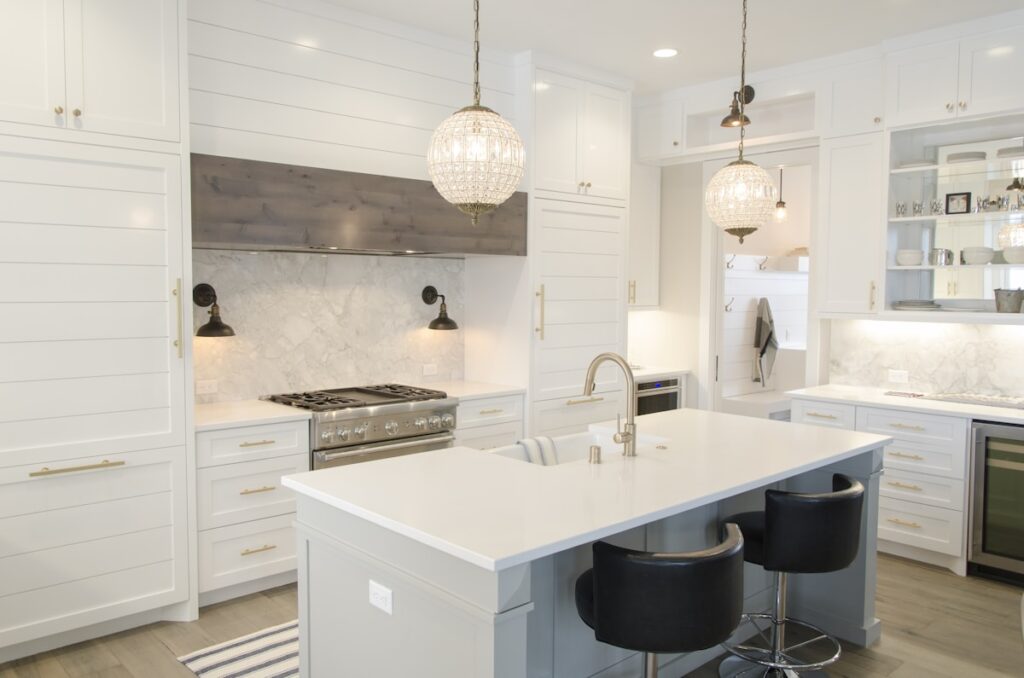
Ambient light is the general illumination of the room — the light that allows you to see and move safely. In most rooms, this comes from ceiling fixtures: pendant lights, recessed downlights, or chandeliers. The goal of ambient light is even, comfortable illumination without harsh shadows.
The mistake is making ambient light the only light. When the overhead fixture is the sole light source, the room flattens — every surface is illuminated at the same level, the ceiling is as bright as the floor, and there is no sense of depth or hierarchy. It also creates unflattering light for faces, which is why rooms lit only from above feel institutional rather than welcoming.
Layer Two: Task Light
Task lighting provides focused illumination for specific activities: reading, working, cooking, applying makeup. It supplements the ambient light rather than replacing it, and it is positioned to direct light where it is needed without creating glare.
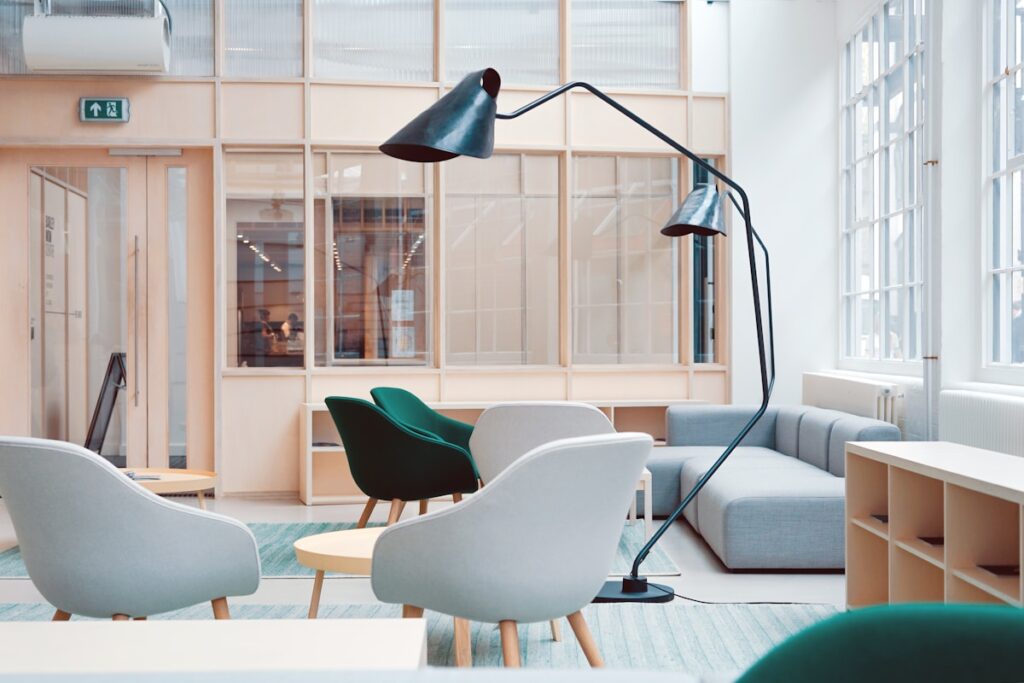
A reading lamp positioned over the shoulder, slightly behind and above, provides excellent illumination for a book without glare on the page. Under-cabinet lighting in a kitchen illuminates the worksurface without shadows. A desk lamp that can be angled precisely reduces eye strain during focused work.
Layer Three: Accent Light
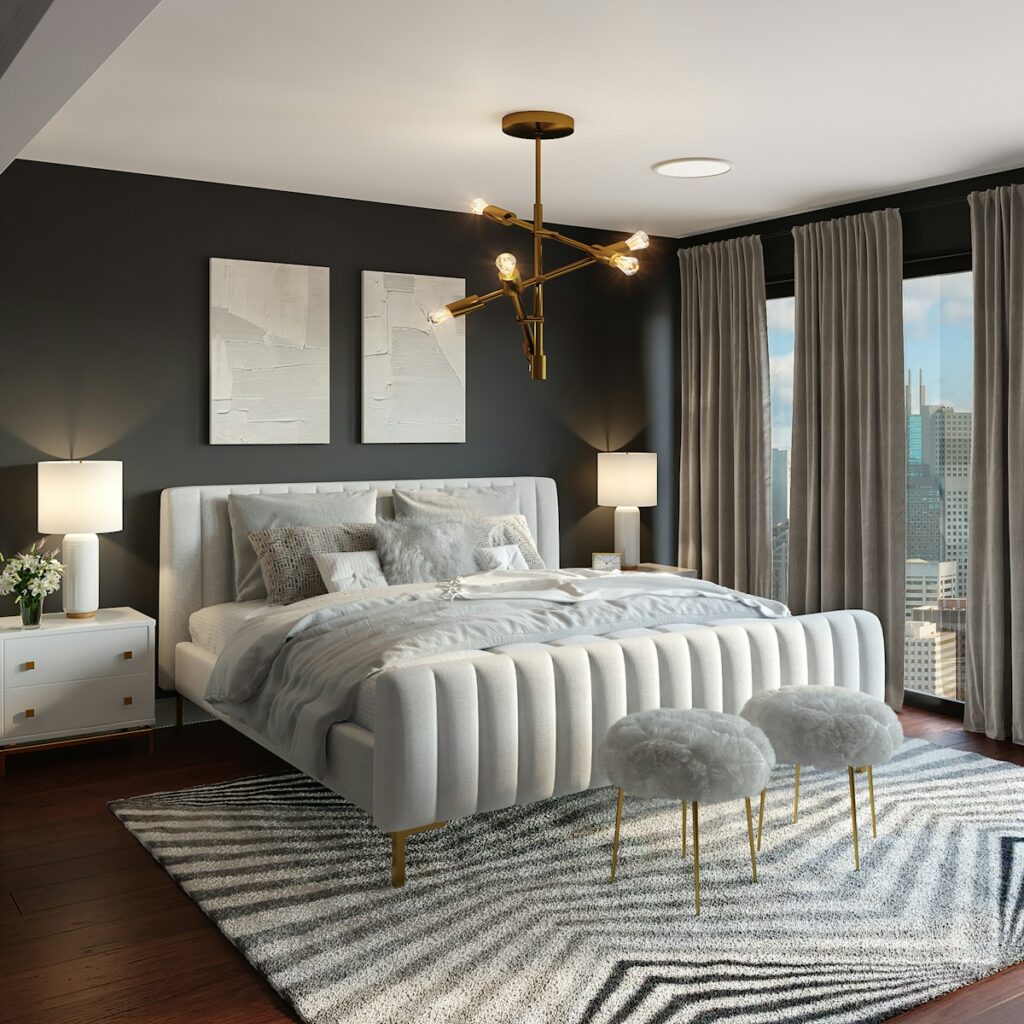
Accent lighting serves no functional purpose. It exists entirely for atmosphere — to create pools of light and shadow that give a room depth, warmth, and a sense of being designed rather than merely furnished. Table lamps at low height. Candles. A picture light over a painting. Interior shelf lighting that casts a warm glow across objects.
Accent lighting is what separates a room that photographs beautifully in the evening from one that looks flat and uninviting the moment the overhead light comes on. It is the layer that most people are missing, and the one that makes the greatest difference to how a room feels after dark.
Putting It Together
The goal is to be able to dim or switch off the ambient layer and run the room on task and accent lighting alone for evening use. This requires dimmer switches on the ambient fixtures and enough task and accent sources to provide adequate light without them.
Most rooms need more light sources at lower height than people initially install. Start with two or three table lamps, a floor lamp, and whatever task lighting the activities in the room require. Add dimmer switches. You will not go back.